Source portable mini camera tripod with bag for Travel, Studio, and Events
Compare 30 portable mini camera tripod with bag options featuring aluminum or carbon fiber construction, varying heights, and load capacities. Buyers can evaluate specifications like folded length, weight, and leg sections to find suitable gear for digital cameras and mobile phones.
Key considerations
Products List
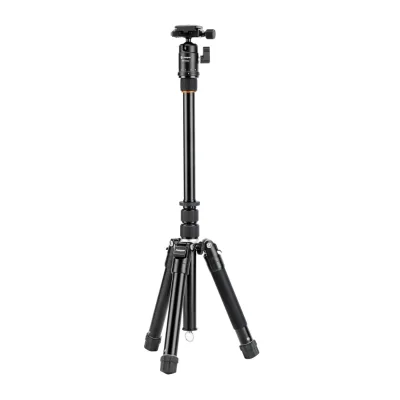
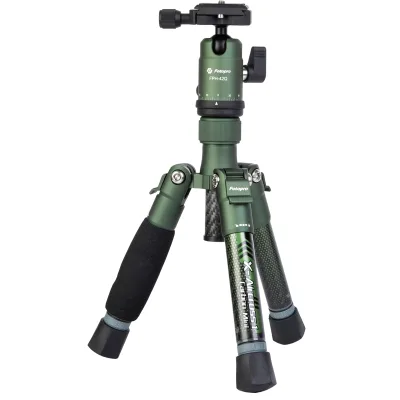
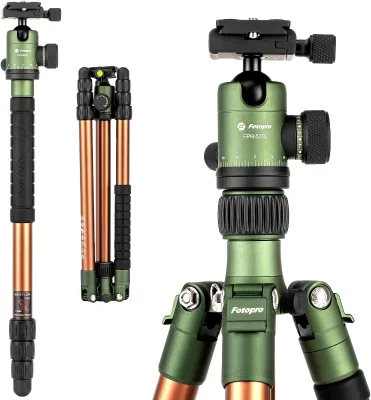
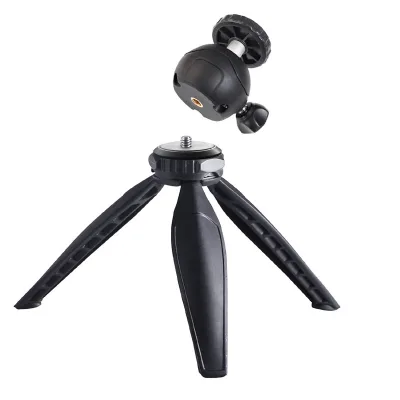





Comprehensive Sourcing Guide
Portable Mini Camera Tripod with Bag Sourcing Guide
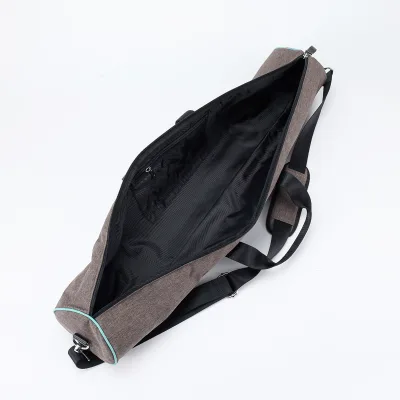
Sourcing portable mini camera tripods with integrated bags requires a nuanced understanding of the trade-offs between compactness, stability, and load capacity. These products are designed for photographers and videographers who prioritize mobility without sacrificing professional-grade support. The market offers a diverse range of options, from lightweight aluminum models suitable for smartphones to heavier-duty carbon fiber tripods capable of supporting DSLR cameras. Buyers must carefully evaluate the specific use case, as the inclusion of a carrying bag adds logistical complexity but enhances product appeal for retail and direct-to-consumer channels.
The procurement process involves navigating a wide spectrum of technical specifications, including leg sections, maximum height, and folded dimensions. Observed market data indicates significant variation in these attributes, with some models extending up to 1500mm while folding down to under 200mm for easy storage. Understanding these physical constraints is critical for determining shipping costs and storage efficiency. Furthermore, the material composition, whether aluminum or carbon fiber, directly impacts both the weight and the price point, requiring buyers to align their sourcing strategy with their target market’s price sensitivity and performance expectations.
Product Scope and Observed Listing Signals
The current market landscape for portable mini tripods reveals a broad price range, typically spanning from $0.52 to $430 USD, reflecting the disparity between basic plastic models and high-end professional gear. Minimum Order Quantities (MOQs) vary widely, often starting at just one unit for sample orders but scaling up to 1000 units for bulk production runs. This flexibility allows buyers to test market demand with low initial investment before committing to larger volumes. However, the wide variance in pricing and MOQs necessitates rigorous supplier vetting to ensure that lower prices do not compromise on structural integrity or material quality.
Product listings frequently highlight key features such as portability, flexibility, and multi-functionality, with many models serving as both tripods and monopods. Some observed specifications indicate a maximum load capacity of up to 8kg, which is substantial for a "mini" tripod, suggesting robust construction in certain premium models. Other listings emphasize compactness, with folded lengths as short as 175mm and weights under 630g. These signals help buyers categorize suppliers into tiers based on their specialization, whether they focus on ultra-lightweight travel gear or heavy-duty professional equipment.
Technical Specifications to Verify
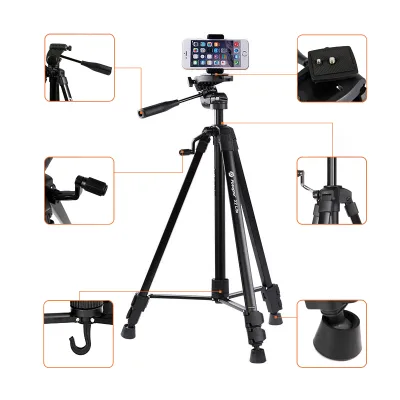
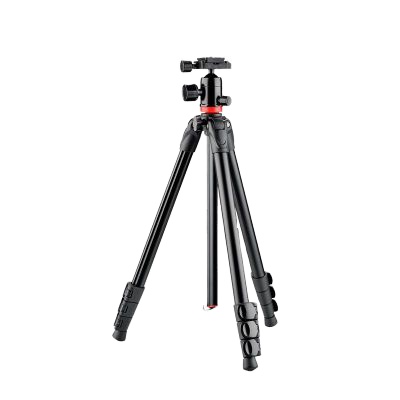
When evaluating technical specifications, the material of the tripod legs is a primary determinant of performance and cost. Aluminum models, such as those with a 25mm tube diameter, offer a balance of durability and affordability, while carbon fiber options provide superior strength-to-weight ratios at a higher price point. Buyers should verify the exact material grade and construction method, as these factors influence the tripod’s resistance to vibration and its overall lifespan. Additionally, the number of leg sections, ranging from four to six, affects both the extended height and the folded size, requiring careful consideration of the intended use case.
Maximum height and load capacity are critical metrics that must be cross-referenced with the tripod’s weight and folded dimensions. For instance, a tripod with a maximum height of 1468mm and a load capacity of 8kg will likely be heavier and bulkier than a model with a 465mm max height and a lighter build. Buyers should also inspect the locking mechanism type, whether it is a knob lock or a flip lock, as this impacts the speed of setup and the reliability of the lock under load. The inclusion of a bubble level is another important feature for ensuring precise alignment, particularly for architectural or landscape photography.
Compliance and Safety Documentation
While specific certification requirements can vary by destination market, buyers should always request documentation to ensure compliance with local safety and environmental standards. In the European Union, for example, products may need to meet CE marking requirements, indicating conformity with health, safety, and environmental protection standards. Similarly, if the carrying bag or any textile components are involved, OEKO-TEX certification may be relevant to ensure that the materials are free from harmful substances. Buyers should verify the current status of these certifications with their suppliers and request valid certificates before placing large orders.
It is also important to consider the safety of the tripod’s mechanical components, particularly the locking mechanisms and leg locks. These parts must be robust enough to prevent accidental collapse, which could damage expensive camera equipment or cause injury. Buyers should request test reports or quality control data that demonstrate the durability of these components under repeated use and varying loads. Additionally, ensuring that the product packaging meets international shipping standards can help prevent damage during transit, reducing the risk of returns and customer complaints.
Cost Drivers and Commercial Terms
The cost of portable mini camera tripods is driven primarily by the material used for the legs, the complexity of the locking mechanism, and the inclusion of accessories such as a carrying bag. Carbon fiber tripods are significantly more expensive than aluminum ones due to the higher cost of raw materials and the more complex manufacturing process. Similarly, tripods with advanced features like quick-release plates, integrated ball heads, or flexible legs will command a higher price. Buyers should analyze the cost breakdown to understand where the value is being added and whether the features justify the price premium.
Commercial terms, including payment methods, shipping terms, and warranty policies, also play a crucial role in the total cost of ownership. Buyers should negotiate favorable payment terms, such as a lower deposit percentage or extended payment periods, to improve cash flow. Shipping costs can be substantial for bulky items, so optimizing the folded dimensions and weight can lead to significant savings. Additionally, understanding the warranty policy and the supplier’s process for handling defects is essential for managing after-sales costs and maintaining customer satisfaction.
Supplier Qualification and Quality Control
Supplier qualification is a critical step in ensuring the reliability and consistency of the product supply. Buyers should conduct thorough due diligence on potential suppliers, including verifying their business licenses, production capabilities, and quality management systems. Requesting samples is an essential part of this process, allowing buyers to physically inspect the build quality, test the functionality, and assess the packaging. It is also advisable to visit the supplier’s facility or hire a third-party inspection service to verify their production processes and quality control measures.
Quality control should be integrated into the procurement process from the beginning, with clear specifications and acceptance criteria defined in the purchase agreement. Buyers should implement a robust inspection plan, including pre-production inspections, during-production checks, and pre-shipment inspections. This helps to identify and address potential issues early in the manufacturing process, reducing the risk of receiving defective products. Additionally, establishing a clear communication channel with the supplier for addressing quality issues and implementing corrective actions is vital for maintaining long-term partnership success.
Long-Term Procurement Checks
Long-term procurement success depends on the ability to adapt to market changes and technological advancements. Buyers should regularly review their supplier performance, tracking metrics such as on-time delivery, product quality, and responsiveness to issues. This data can help identify potential risks and opportunities for improvement, allowing buyers to make informed decisions about their supply chain. Additionally, staying informed about industry trends, such as new materials or design innovations, can help buyers stay competitive and meet evolving customer demands.
Building a resilient supply chain involves diversifying suppliers and maintaining strong relationships with key partners. Buyers should avoid over-reliance on a single supplier, as this can increase risk in the event of production disruptions or quality issues. Regularly engaging with suppliers to discuss future product developments and market trends can foster collaboration and innovation. Furthermore, implementing a continuous improvement process, where feedback from customers and internal teams is used to refine product specifications and supplier requirements, is essential for long-term success in the portable mini camera tripod market.
FAQs
What is the maximum height of the portable mini camera tripod?
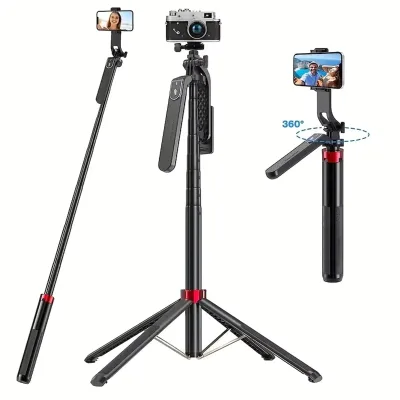
The maximum height reaches 1468mm or 57.80 inches for the standard model. A specialized selfie stick variant extends to 65.9cm. These dimensions allow for versatile shooting angles while maintaining a compact folded length of 30.3cm for easy transport in a bag.
How much weight can the tripod support?
The tripod supports a maximum load of 8kg. This capacity ensures stability for digital cameras and video equipment. The robust aluminum construction distributes weight evenly across the leg sections. This load rating makes it suitable for professional photography setups requiring reliable support.
What material is used to construct the tripod legs?
The tripod is constructed from high-quality aluminum. Some variants utilize carbon fiber for enhanced durability and reduced weight. The aluminum tubes have a diameter of 25mm, providing structural rigidity. This material choice balances strength with portability for travel photography.
Can the tripod be used with mobile phones?
Yes, specific models are designed for both digital cameras and mobile phones. These versatile tripods feature adjustable mounting options to secure smartphones securely. The compact design allows for flexible positioning. This dual compatibility makes it an ideal tool for content creators and vloggers.
What is the net weight of the tripod?
The net weight varies by model, typically ranging from 630g to 1030g. The lighter carbon fiber version weighs 630g, while the aluminum model weighs 1030g. These weights ensure portability without compromising stability. The lightweight design facilitates easy carrying in a camera bag during travel.
Where is the tripod manufactured?
The tripod is manufactured in Guangdong, China. This region is known for its advanced manufacturing capabilities in photography accessories. The production process adheres to strict quality controls. Buyers can rely on consistent product quality and reliable supply chain logistics from this origin.